
Sanity vs. Strapi
 By SW Habitation
Sanity

Strapi
You know, when you wanna make a website or a blog but don’t wanna mess with too much code? That’s where a CMS (Content Management System) comes in. It’s like a super easy tool that helps you add text, pictures, and videos to your site without needing to be a tech genius. You just log in, click a few buttons, and your content is live. It's quite simple, right?
What is Sanity CMS ?
Sanity is a real-time, headless content platform that offers a customizable content studio (Sanity Studio) and flexible API access. It is known for its structured content modeling and developer-first experience.
Key Features of Sanity CMS ?
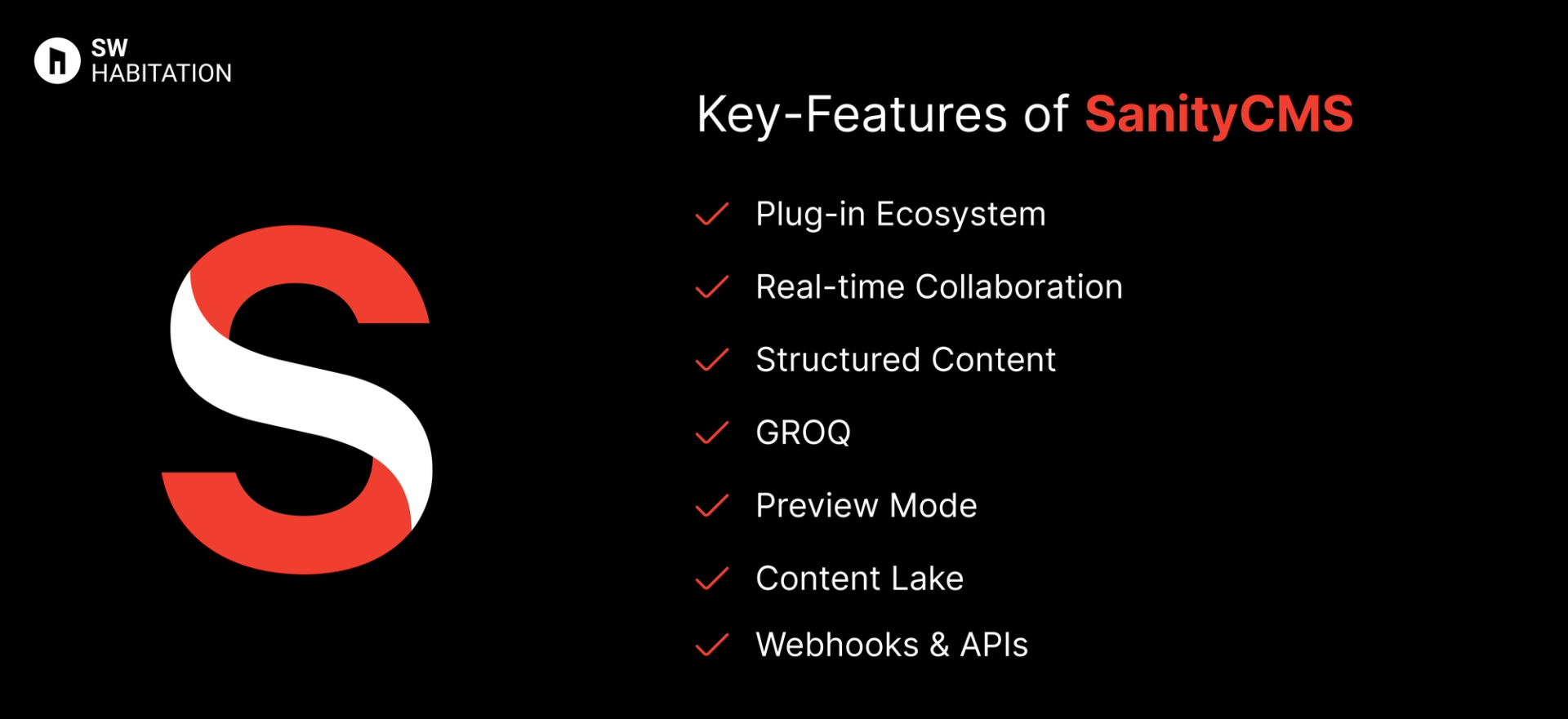
- Plug-in Ecosystem : Extend Studio with community and custom plugins.
- Real-time Collaboration: Multiple editors can work together live.
- Structured Content: Flexible schemas allow deeply nested, rich content types.
- GROQ: Sanity's powerful custom query language.
- Preview Mode: Live preview content with your frontend in real-time.
- Content Lake: Sanity’s globally distributed real-time content backend.
- Webhooks & APIs: Easily integrates with static site generators and webhooks.
Advantages of Sanity CMS
- Headless Freedom: It can be used with any frontend or framework.
- Real-Time Editing: Ideal for collaborative workflows.
- Scalable Content: Handles complex data relationships and large-scale content.
- Great Developer Tooling: Excellent CLI, schema modeling, and APIs.
- Highly Customizable Studio: Designed the UI to your brand/editor needs.
Disadvantages of Sanity CMS
- Learning Curve for GROQ: GROQ is powerful but unfamiliar to most developers.
- No Native Image Hosting: it relies on integrations or external hosting for advanced media workflows.
- Requires Developer Setup: Initial setup and schema modeling may be overwhelming.
- Pricing: It an get expensive at scale or with advanced usage.
What is Strapi?
Strapi is an open-source headless CMS built on Node.js that helps teams create, manage, and deliver content through APIs.
Unlike traditional CMS platforms, Strapi doesn’t lock you into a specific frontend. Instead, it lets you deliver content to websites, mobile apps, or even IoT devices, giving developers complete flexibility while allowing editors to manage content easily.
Its focus is on customizability, developer freedom, and community-driven growth, making it a great choice for startups, agencies, and enterprises that want control over their content stack.
Key Features of Strapi
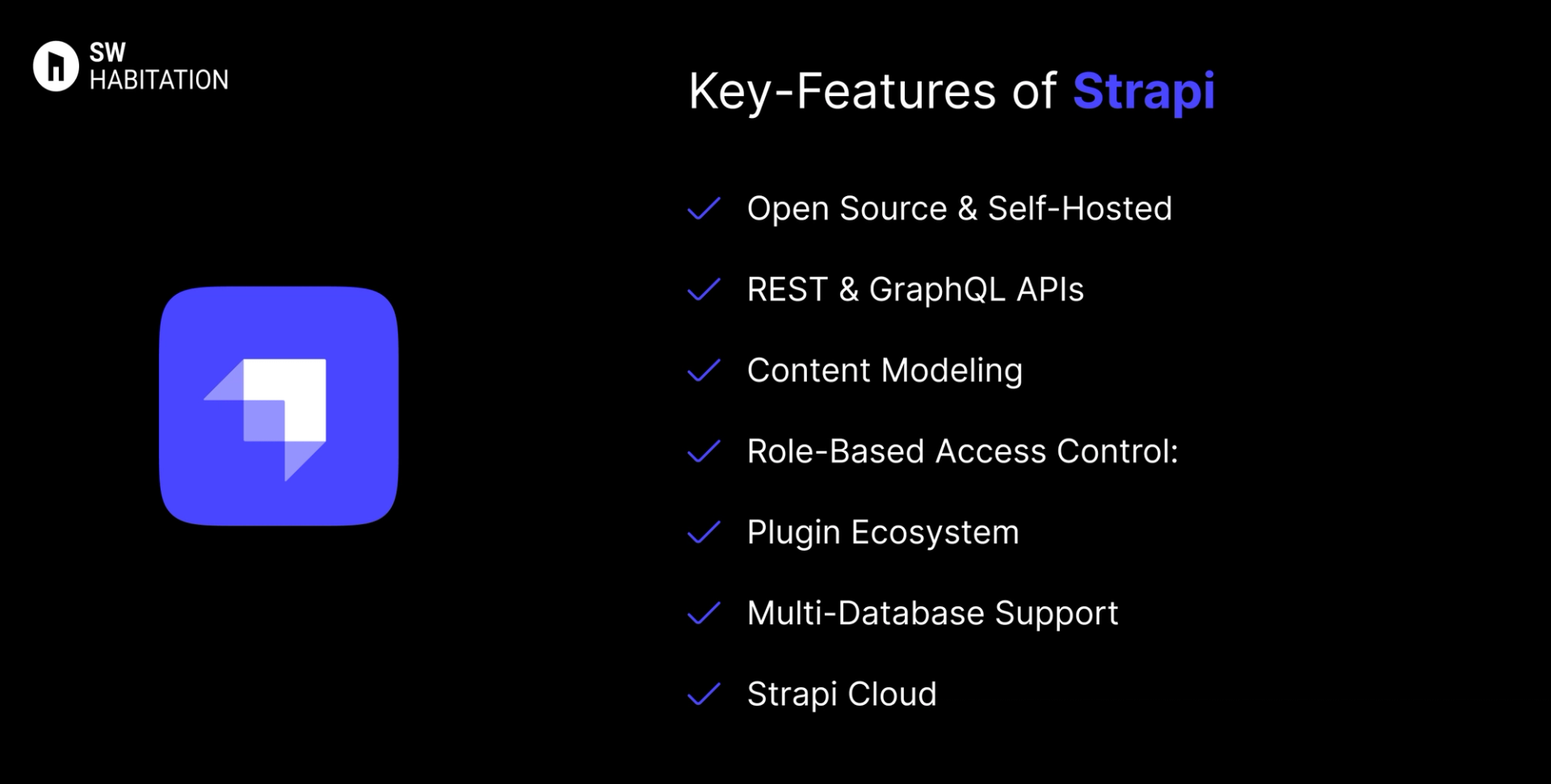
- Open Source & Self-Hosted: Total control over data and infrastructure.
- REST & GraphQL APIs: Ready-to-use APIs for any frontend.
- Content Modeling: Define content structures visually or via code.
- Role-Based Access Control: Manage permissions across teams.
- Plugin Ecosystem: Extend functionality with community or custom plugins.
- Multi-Database Support: Works with PostgreSQL, MySQL, MariaDB, SQLite.
- Strapi Cloud: Managed hosting option for easier setup and scaling.
Advantages of Strapi
- Highly Flexible: Easily customize models, APIs, and workflows.
- Full Control: You own your code, data, and infrastructure.
- Developer-Friendly: Built with modern JavaScript (Node.js, GraphQL, REST).
- Multi-Platform Ready: Works with websites, mobile apps, and more.
- Strong Community: Large open-source ecosystem and plugin marketplace.
Disadvantages of Strapi
- Performance Tuning: Large-scale apps may require optimization.
- Enterprise Features Locked: SSO, audit logs, and advanced roles are paid.
- Hosting Needed: You must manage your own deployment unless using Strapi Cloud.
- Learning Curve: Beginners may need time to configure models and APIs.
Comparison Between Sanity vs Strapi
Use Cases of Sanity
- Jamstack-powered Apps: Integrates seamlessly with static site generators and frontend frameworks for fast, secure apps.
- Content-rich websites : It is Ideal for managing structured, scalable content across marketing sites, blogs, and documentation.
- Editorial Platforms: Enables real-time collaboration, custom workflows, and structured content for publishing teams.
- Headless eCommerce: Powers product content, editorial storytelling, and localization for modern eCommerce platforms.
Use Cases of Strapi
- Startups & Agencies: Build custom digital products with full control.
- Self-Hosted Enterprises: Companies that want data ownership.
- Omni-Channel Content: Deliver content to apps, sites, and IoT devices.
- Open-Source Projects: Community-driven projects needing transparency.
- Custom Workflows: Tailor content models and permissions for teams.
Other Resources
Conclusion
Headless CMS platforms make managing your website very simple and easy. Whether you’re running a blog, online store, or business, they handle the tough stuff so you can focus on your content.
With a user-friendly interface and the ability to work with any technology, you can create a site that really fits your needs.
These platforms are flexible, secure, and can grow with you. They offer features like custom content, easy editing, and integrations with other tools. Choose the one that fits your requirements and start building your dream website today 🚀
Frequently asked questions
Is Sanity open-source?
Sanity Studio is open-source, the backend (Content Lake) is managed and proprietary.
What makes Sanity different from other headless CMS?
Real-time editing, schema customization, and GROQ querying offer extreme flexibility and control.
Can I self-host Sanity?
No, Content Lake is only available as a managed service, but Sanity Studio can be self-hosted.
Is Strapi completely free?
Yes, the self-hosted version is free and open-source. Paid plans exist for Strapi Cloud and enterprise features.
Does Strapi support GraphQL?
Yes, Strapi provides both REST and GraphQL APIs out of the box.
Can Strapi handle multi-language websites?
Yes, via community plugins or manual setups.
Do I need to know coding to use Strapi?
Editors can manage content without coding, but developers are needed for setup/customization.
Is Strapi good for enterprise projects?
Yes, with Strapi Cloud and enterprise features, it scales well for large teams and projects.
Next blog that you can read...
By SW HabitationBy SW Habitation