
TinaCMS vs. Strapi
 By SW Habitation
TinaCMS

Strapi
You know, when you wanna make a website or a blog but don’t wanna mess with too much code? That’s where a CMS (Content Management System) comes in. It’s like a super easy tool that helps you add text, pictures, and videos to your site without needing to be a tech genius. You just log in, click a few buttons, and your content is live. It's quite simple, right?
What is TinaCMS?
TinaCMS is an open-source, Git-backed CMS that brings real-time editing to the forefront. It integrates directly into your site’s codebase, allowing content editors to make changes and see them live instantly. Think of it as giving your content team superpowers they can twist content without diving into code, while developers still enjoy full control over the project.
It’s especially popular in the Jamstack ecosystem, working well with static site generators like Next.js, Hugo, and Gatsby.
Key Features of TinaCMS
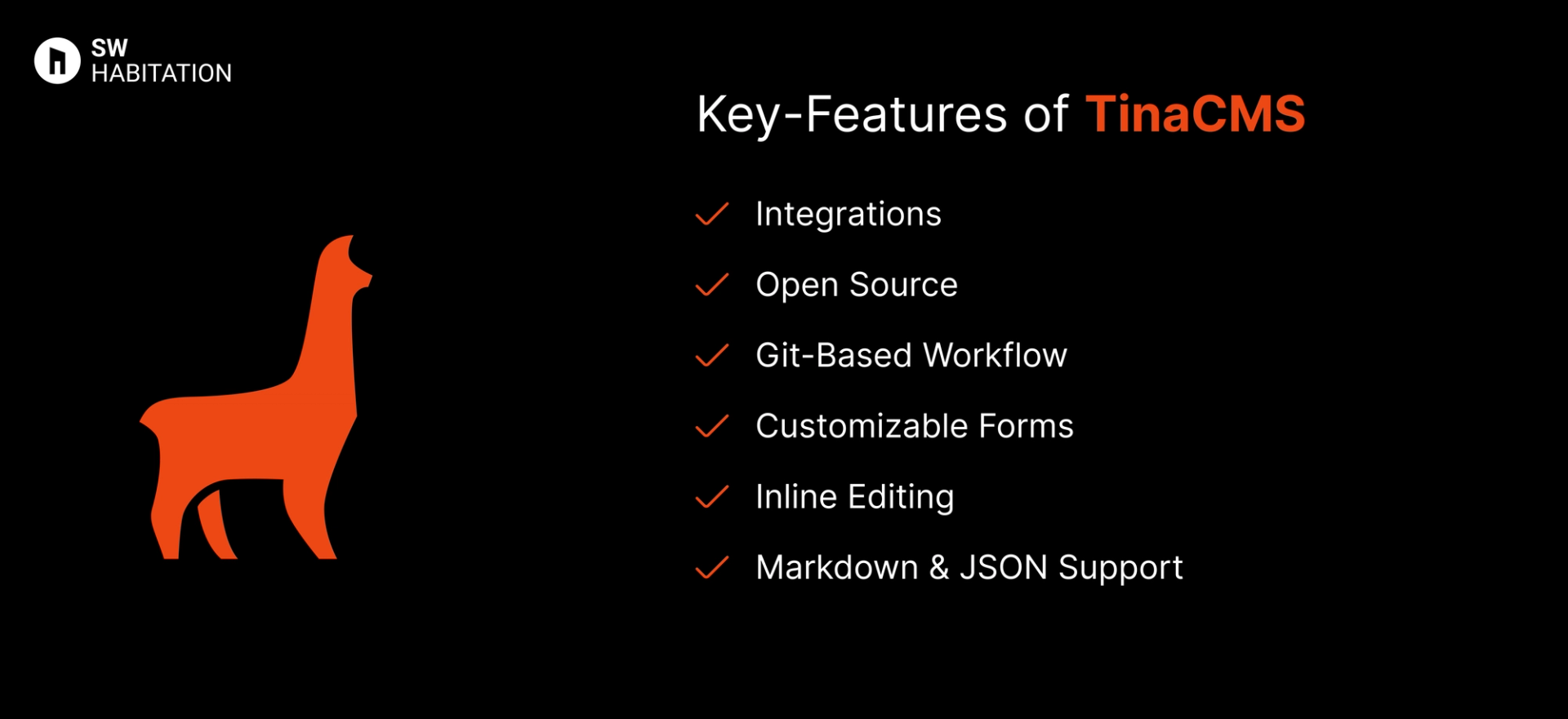
- Integrations: Works with Next.js, Gatsby, and other static site generators.
- Open Source: Free and community-driven, with no vendor lock-in.
- Git-Based Workflow: Content is stored in your Git repository, making version control simple.
- Customizable Forms: Easily create forms for content editing.
- Inline Editing: Make changes directly on the page and see them live instantly.
- Markdown & JSON Support: Works seamlessly with markdown and JSON-based content.
Advantages of TinaCMS
- Customizable: Adapt it to fit your project’s structure and needs. Free & Open Source: No hidden fees use it as you like.
- Jamstack-Friendly: Works beautifully with static site generators.
- Git Integration: Content is version-controlled with Git.
- Real-Time Editing: See changes instantly while editing.
Disadvantages of TinaCMS
- Limited Ecosystem: Smaller plugin ecosystem compared to more established CMS options.
- Git Knowledge: Editors might need a basic understanding of Git workflows.
- Developer Setup Required: Needs developer setup initially.
What is Strapi?
Strapi is an open-source headless CMS built on Node.js that helps teams create, manage, and deliver content through APIs.
Unlike traditional CMS platforms, Strapi doesn’t lock you into a specific frontend. Instead, it lets you deliver content to websites, mobile apps, or even IoT devices, giving developers complete flexibility while allowing editors to manage content easily.
Its focus is on customizability, developer freedom, and community-driven growth, making it a great choice for startups, agencies, and enterprises that want control over their content stack.
Key Features of Strapi
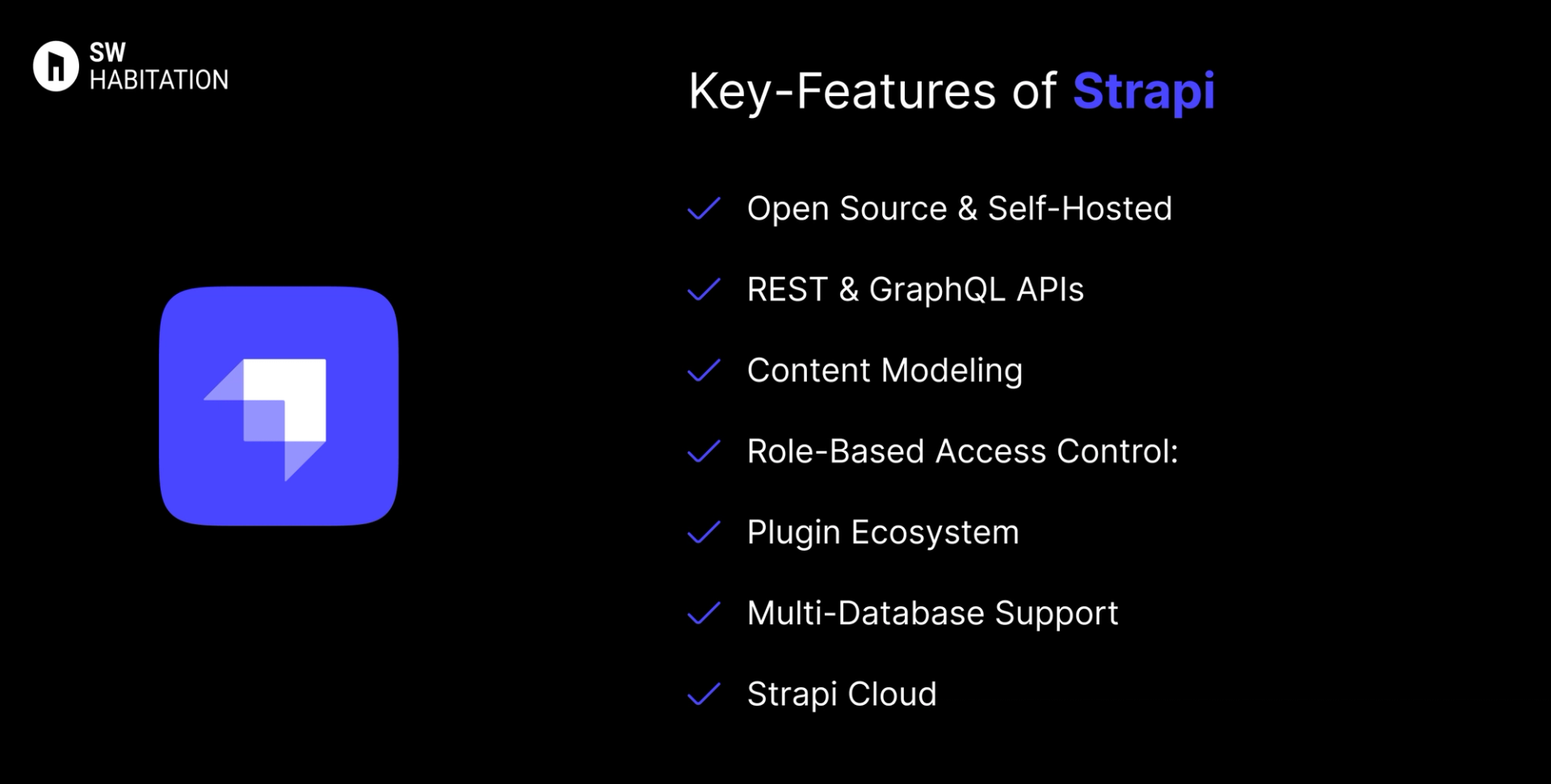
- Open Source & Self-Hosted: Total control over data and infrastructure.
- REST & GraphQL APIs: Ready-to-use APIs for any frontend.
- Content Modeling: Define content structures visually or via code.
- Role-Based Access Control: Manage permissions across teams.
- Plugin Ecosystem: Extend functionality with community or custom plugins.
- Multi-Database Support: Works with PostgreSQL, MySQL, MariaDB, SQLite.
- Strapi Cloud: Managed hosting option for easier setup and scaling.
Advantages of Strapi
- Highly Flexible: Easily customize models, APIs, and workflows.
- Full Control: You own your code, data, and infrastructure.
- Developer-Friendly: Built with modern JavaScript (Node.js, GraphQL, REST).
- Multi-Platform Ready: Works with websites, mobile apps, and more.
- Strong Community: Large open-source ecosystem and plugin marketplace.
Disadvantages of Strapi
- Performance Tuning: Large-scale apps may require optimization.
- Enterprise Features Locked: SSO, audit logs, and advanced roles are paid.
- Hosting Needed: You must manage your own deployment unless using Strapi Cloud.
- Learning Curve: Beginners may need time to configure models and APIs.
Comparison Between TinaCMS vs Strapi
Use Cases of TinaCMS
- Markdown Blogs: Perfect for blogs or documentation sites using markdown.
- Developer-Centric Workflows: Ideal for teams that use Git for content management.
- Real-Time Editing: Great when you want instant content updates.
- Jamstack Projects: Ideal for static site generators like Next.js and Gatsby.
Use Cases of Strapi
- Startups & Agencies: Build custom digital products with full control.
- Self-Hosted Enterprises: Companies that want data ownership.
- Omni-Channel Content: Deliver content to apps, sites, and IoT devices.
- Open-Source Projects: Community-driven projects needing transparency.
- Custom Workflows: Tailor content models and permissions for teams.
Other Resources
Conclusion
Headless CMS platforms make managing your website very simple and easy. Whether you’re running a blog, online store, or business, they handle the tough stuff so you can focus on your content.
With a user-friendly interface and the ability to work with any technology, you can create a site that really fits your needs.
These platforms are flexible, secure, and can grow with you. They offer features like custom content, easy editing, and integrations with other tools. Choose the one that fits your requirements and start building your dream website today 🚀
Frequently asked questions
Is TinaCMS good for non-tech users?
While TinaCMS is developer-friendly, content editors will also love its intuitive, in-context editing experience. With some initial setup, non-technical users can easily manage their content.
Can I self-host TinaCMS or use the cloud?
You can self-host TinaCMS, which gives you full control over your content management system, or you can opt for the cloud version for convenience and reduced setup time.
Can I use TinaCMS with Next.js?
Yes, TinaCMS is fully compatible with Next.js and can also be used with other modern JavaScript frameworks. It's particularly great when working with static sites.
Does TinaCMS support Markdown?
Yes, TinaCMS is Markdown-centric and integrates seamlessly with your existing markdown files. You can edit content directly in your Git repository or via the in-line editor.
Is Strapi completely free?
Yes, the self-hosted version is free and open-source. Paid plans exist for Strapi Cloud and enterprise features.
Does Strapi support GraphQL?
Yes, Strapi provides both REST and GraphQL APIs out of the box.
Can Strapi handle multi-language websites?
Yes, via community plugins or manual setups.
Do I need to know coding to use Strapi?
Editors can manage content without coding, but developers are needed for setup/customization.
Is Strapi good for enterprise projects?
Yes, with Strapi Cloud and enterprise features, it scales well for large teams and projects.